Quality Poultry Farm: Standards and Practices for Optimal Production
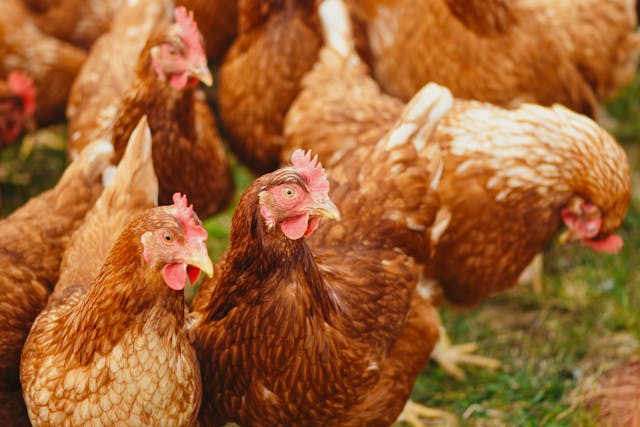
When it comes to running a quality poultry farm in the UK, following best practices is essential for optimal production. Whether you’re a seasoned farmer or new to the industry, maintaining high standards in bird welfare, feed quality, and waste management can significantly impact your farm’s success and reputation.
Let’s explore these standards and best practices necessary for poultry farms to deliver high-quality produce.
Setting the Standards for Quality
Poultry farming encompasses a variety of sectors, from large-scale broiler production to free-range and organic farms. While the scale and methods may differ, the underlying principles for a quality poultry farm remain consistent.
Welfare Standards and Regulations
Animal welfare is a growing concern in modern British poultry farming. Farms adhere to strict regulations by the Department for Environment, Food and Rural Affairs (DEFRA) and the RSPCA. These regulations cover aspects like:
- Stocking density
- Housing conditions
- Access to food and water
- Veterinary care
By prioritising welfare, farmers ensure their birds live healthy, stress-free lives, which translates to better quality meat and eggs.
Food Safety Protocols and Monitoring
Quality chicken farms prioritise strict food safety protocols to ensure consumer health. These protocols involve implementing Hazard Analysis and Critical Control Points (HACCP) principles to identify and control potential physical, chemical, and biological hazards throughout the production chain. These protocols include:
- Taking steps to eliminate or reduce pathogens
- Maintaining rigorous sanitation procedures for equipment and facilities
- Ensuring the correct temperature during transportation and storage
- Meeting required testing frequencies
Environmental Protection Rules
Caring for the environment is essential for modern poultry farms. For intensive poultry farming, farmers need permits that set limits on air emissions, specify odour control methods, and outline plans for storing and using manure. Farmers must also produce a written pollution management system and complete an environmental risk assessment.
Transparency and Ongoing Traceability
Accurate record-keeping is essential for tracing products from farm to customer, which helps build consumer trust. Farmers must document details such as:
- Bird genetics
- Veterinary care
- Nutrition plans
- Housing conditions
- Slaughter age
Many producers also use blockchain technology to further improve their supply chain transparency.